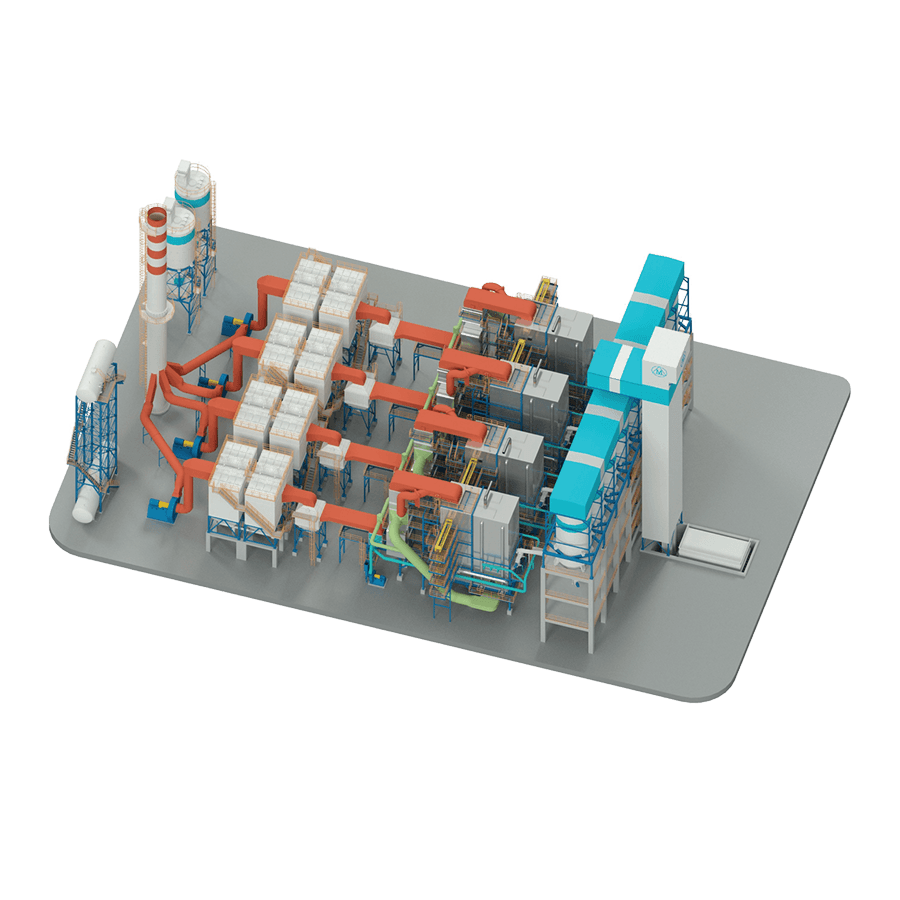
“Boilers in the pharmaceutical industry ensure safe, high-quality products by supporting sterilization, heating, distillation, drying, and cleanroom maintenance.”
APPLICATIONS OF BOILERS IN THE PHARMACEUTICAL INDUSTRY
Play a critical role in remaining safe and effective
INTRODUCTION
In the pharmaceutical industry, boilers are essential for producing high-quality products. They provide the steam required for various processes, such as sterilization, drying, and heating. With strict hygiene standards, boilers play a critical role in ensuring pharmaceutical products remain safe and effective. Below, we explore key applications of boilers in the pharmaceutical industry, focusing on how they enhance production efficiency and maintain product quality.

1. Steam Sterilization for Equipment and Products
One of the most important applications of boilers in pharmaceuticals is steam sterilization. This process is crucial for killing harmful bacteria and ensuring equipment and products remain free from contaminants. Boilers generate high-pressure steam, which sterilizes equipment used in production and packaging. By using steam for sterilization, the industry minimizes the risk of contamination, adhering to stringent health and safety regulations.
Steam sterilization is also an efficient and environmentally friendly method, as it requires only water and energy. Many pharmaceutical companies rely on it because it produces no harmful waste, making it an essential process in a sustainable production environment. This method also reduces the need for chemical-based sterilization, which can leave residues and require additional cleaning steps.
2. Heating for Chemical Reactions and Production Processes
Boilers provide the heat needed for many chemical reactions in pharmaceutical manufacturing. For instance, the synthesis of active pharmaceutical ingredients (APIs) often requires specific temperature conditions to ensure reactions occur safely and effectively. Boilers produce high-temperature steam that heats reactors and vessels, maintaining precise control over reaction conditions.
Accurate temperature control is essential in pharmaceutical processes, as slight deviations can impact product quality. The consistent heat supply from boilers ensures that reactions proceed at the desired rate, enhancing productivity and quality control. Additionally, boilers support the heating requirements for processes like crystallization, which helps achieve the proper consistency and purity of final products.
3. Distillation and Solvent Recovery
Distillation is another critical process supported by boilers in the pharmaceutical industry. Many pharmaceutical products require purification to remove impurities and solvents. Boilers produce steam that heats the distillation columns, separating different components based on their boiling points. Distillation helps to extract pure substances, which is essential for meeting strict quality standards.
Solvent recovery is equally important, as it reduces waste and lowers production costs. Boilers provide the necessary steam to evaporate solvents, which are then condensed and reused in production. This recycling process is cost-effective and minimizes the environmental impact of pharmaceutical production.
4. Drying and Dehydration Processes
Boilers are vital for drying and dehydration processes in pharmaceutical manufacturing. After synthesis or extraction, raw materials may contain residual moisture, which can impact product stability. Steam from boilers heats drying chambers, removing excess moisture from products. This process is essential for ensuring product quality, as too much moisture can lead to microbial growth or degradation.
By providing reliable steam, boilers facilitate efficient drying processes, maintaining product consistency and extending shelf life. The pharmaceutical industry relies on these processes to produce tablets, powders, and other forms with the correct moisture content, meeting regulatory standards for safety and efficacy.
5. Maintaining Cleanroom Conditions
Cleanrooms are essential in pharmaceutical production to prevent contamination. Boilers contribute by providing steam for humidification, which helps control airborne particles and maintain a stable environment. Proper humidity levels are crucial, as they reduce the likelihood of static electricity and particle build-up that could contaminate products.
Steam from boilers is also used to create positive pressure within cleanrooms. Positive pressure prevents unfiltered air from entering, thus protecting sensitive products from potential contaminants. With these capabilities, boilers ensure cleanroom conditions remain stable and compliant with industry regulations, supporting the pharmaceutical industry’s commitment to quality and safety.
CONCLUSION
Boilers are indispensable in the pharmaceutical industry, providing the steam and heat necessary for various critical processes. From sterilization and heating to distillation and cleanroom maintenance, boilers play a central role in ensuring product quality and production efficiency. By optimizing these applications, the pharmaceutical industry can produce safer, more effective medications, meeting regulatory standards while enhancing operational sustainability.
(Vn-Industry.)
Home page: https://vn-industry.com/