Converting waste to electricity not only addresses pollution but also provides a clean and stable energy source for charging electric vehicles when the government bans gasoline cars in 2026.
WANT TO CUT POLLUTION AND HAVE ENOUGH POWER FOR EVs? START WITH WASTE-TO-ENERGY!
🌐 Why is Waste-to-Energy a feasible solution for Southeast Asia?
Environmental pollution is a major issue in many Southeast Asian cities, especially in Ho Chi Minh City, where PM2.5 fine dust levels often exceed safe limits. Each day, HCMC has to process 10,000 tons of household waste, while traditional methods like landfill and uncontrolled incineration are ineffective in reducing pollution and saving landfill space.
A feasible and sustainable solution is Waste-to-Energy (WtE). This approach not only tackles pollution but also generates clean energy to supply electricity to households and for electric vehicle charging, especially when the government plans to ban gasoline cars by 2026.
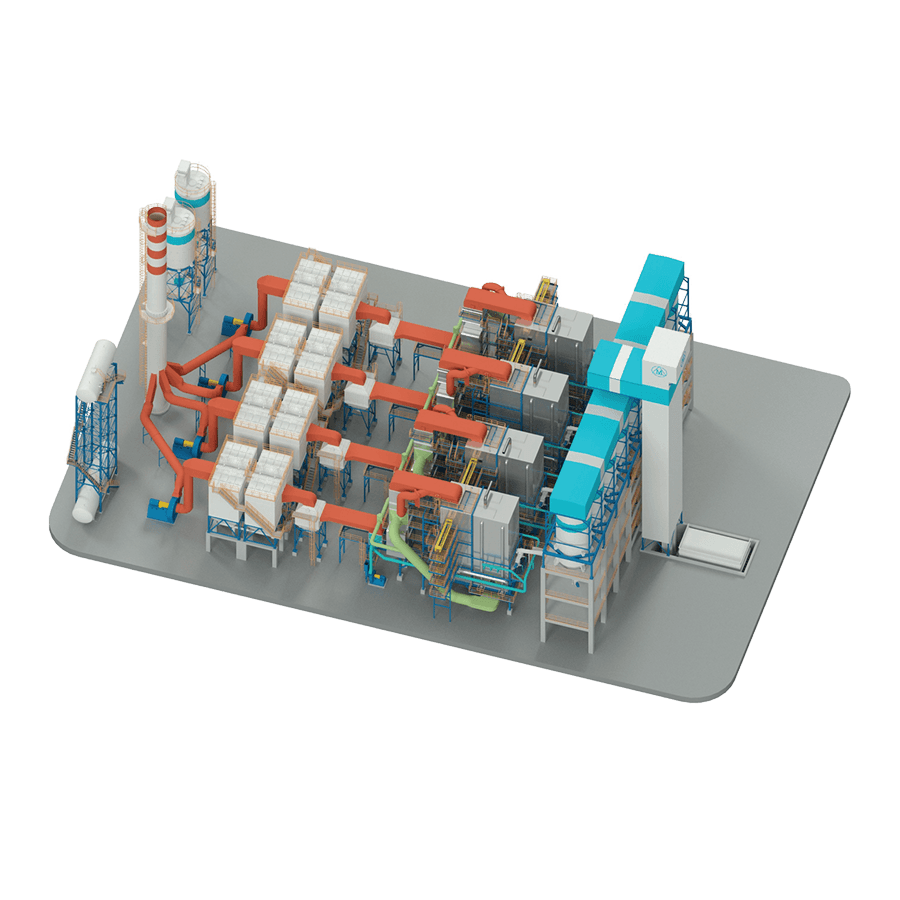
 Figure 1 – Co-generation plant model burning waste and multi-fuel to produce electricity & steam (Co-gen system)
To reduce pollution and ensure EV charging supply
🔌 Waste-to-Energy: Solving Waste and Power Supply Issues
According to reliable sources such as JICA 2020, UNEP 2019, Vietstar.vn, and Tuổi Trẻ Online 2022, current waste-to-energy efficiency data is:
-
1 ton of household waste generates about 300 kWh of electricity.
-
1 MWh of electricity requires around 3.33 tons of waste for incineration.
🔥 Electricity Output Efficiency (Latest Data):
-
1 ton of household waste → 300 kWh of electricity
-
1 MWh electricity → 3.33 tons of waste
-
1 MW running 24h/day → produces 24 MWh → needs 80 tons of waste/day
🏭 50 MW Waste-to-Energy Plant:
-
Electricity generated per day:
-
50 MW × 24h = 1,200 MWh/day
-
-
Required waste input:
-
1,200 MWh × 3.33 tons/MWh = 3,996 tons/day
-
 Figure 2 – Waste-to-energy plant at Giao Long Industrial Park (Ben Tre)


🏙️ HCMC – Household Waste:
-
Daily household waste volume: 10,000 tons


Required number of 50 MW plants:
-
10,000 ÷ 3,996 ≈ 2.5 plants → around 2–3 waste-to-energy plants needed
⚡ Total Electricity Generated from Waste in Ho Chi Minh City:
-
10,000 tons × 300 kWh/ton = 3,000,000 kWh/day = 3,000 MWh/day
With 3,000 MWh/day from waste-to-energy, Ho Chi Minh City can supply enough electricity for 300,000 households per day (each consuming an average of 10 kWh/day).
🔋 Electric Vehicles: Sustainable Charging Solutions
2026 marks an important milestone when the government will ban gasoline vehicles and shift to electric vehicles. So where will this electricity come from? Electricity generated from waste incineration will serve as a sustainable energy infrastructure to power tech-based vehicles such as Grab, GoViet, Shopee, and other means of transportation.
Based on the power consumption of EVs, one electric vehicle uses 8–10 kWh per full charge. With 3,000 MWh/day, this amount of electricity could charge approximately 300,000 electric vehicles daily.

🌏 Do EVs Truly Protect the Environment?
One critical issue often overlooked is the battery production and disposal process of EVs. While EVs help reduce air pollution, the manufacturing of lithium-ion batteries consumes a significant amount of energy and generates considerable CO₂ emissions.
🔋 Pollution from EV Batteries
According to a study by the University of California, producing a 60 kWh lithium-ion battery for an EV requires about 150 kg of CO₂. This number may even surpass the emissions from gasoline motorbikes over their entire lifecycle. This raises the question: Are EVs truly the environmental solution, or are we facing a challenging energy ecosystem?
⚡ Balanced Solutions for Clean Renewable Energy
To address this issue, combining renewable energy sources like solar power and wind energy with waste-to-energy technology can reduce pollution and improve energy efficiency in the production and usage of EVs.
📌 Conclusion: Waste-to-Energy – A Sustainable Future Solution
Waste-to-energy not only reduces landfill pollution but also provides a renewable electricity source for charging EVs in the future. Calculations show that Ho Chi Minh City needs approximately 2–3 waste-to-energy plants of 50 MW to handle its waste and supply enough power for 300,000 households and hundreds of thousands of EVs. However, to achieve sustainable development, it’s essential to carefully manage EV battery production and disposal to minimize environmental impact throughout the vehicle lifecycle.
(Vn-Industry)
Source: Compiled
–> How many waste-to-energy plants does HCMC really need?
Homepage: https://vn-industry.com