“The Expansion of Rooftop Solar Power in Vietnam and the Philippines Is Driving Sustainable Energy Transformation in ASEAN Urban Areas and Industrial Zones”
Rooftop Solar Power: A Sustainable Trend for Cities and Industrial Parks in Vietnam and the Philippines
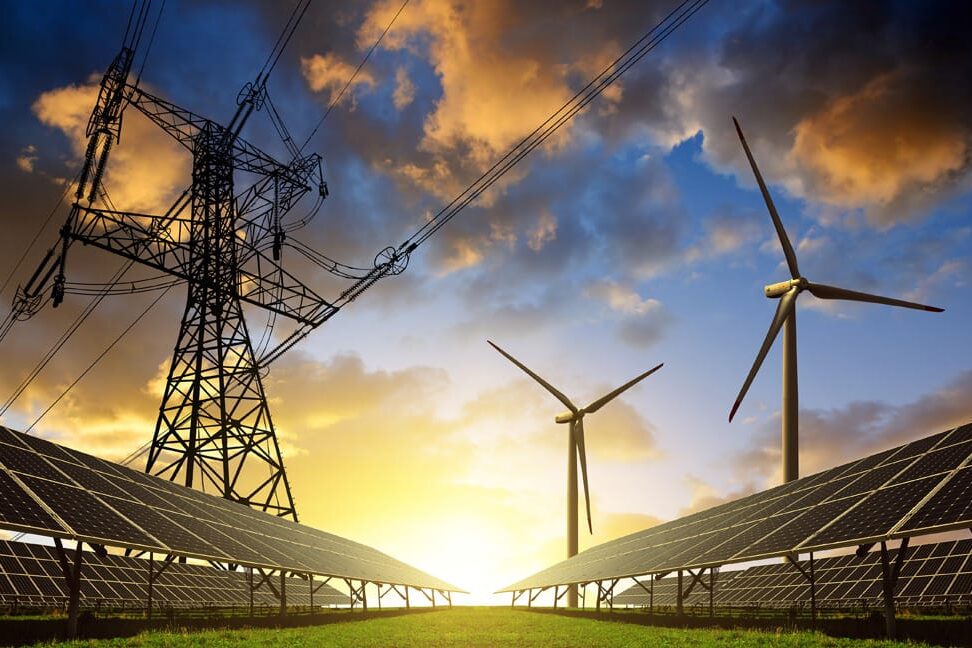
As Southeast Asia faces the dual challenges of climate change and rising energy demand, rooftop solar power has emerged as a key solution for sustainable development. In particular, Vietnam and the Philippines—two of the region’s most dynamic economies—are embracing this form of decentralized energy, especially in urban areas and industrial parks.
This shift is not only improving energy independence but also accelerating the transition to cleaner, more resilient power systems.

🌞 Why Rooftop Solar Power Is Becoming a Regional Trend
Rooftop solar power offers a decentralized, scalable, and clean solution to meet increasing electricity needs. The benefits include:
-
Reduced reliance on the central power grid
-
Lower operating costs for households and businesses
-
Improved energy security and supply stability
-
Support for carbon neutrality and ESG (Environmental, Social, and Governance) goals
With solar panel prices continuing to fall and technology becoming more efficient, rooftop installations are more accessible than ever – specially for cities and industrial hubs that consume large amounts of electricity.
📈 Vietnam’s Rooftop Solar Boom

⚡ In Residential Areas
By the end of 2023, Vietnam had recorded over 100,000 rooftop solar installations, covering millions of square meters of unused roof space. Key urban centers such as Ho Chi Minh City, Binh Duong, and Dong Nai led the way, thanks to their high population density and demand for stable power.
A major growth driver was the Feed-in Tariff (FIT) introduced in 2020, which provided favorable rates for solar energy sold back to the grid. This policy attracted homeowners and investors alike. However, with the expiration of the FIT, new installations have slowed, highlighting the need for long-term regulatory clarity.
Still, many households continue to install rooftop systems for self-consumption, especially in light of rising electricity prices.
⚡ In Industrial Parks
Industrial zones are rapidly adopting rooftop solar as part of their green transition and to comply with international environmental standards.
In Long An, Bac Ninh, and Hai Phong, factories have installed large-scale rooftop systems ranging from 500 kWp to over 5 MWp. These systems help cut energy bills significantly and align with global carbon footprint reporting requirements.
Some firms also see rooftop solar as a strategic asset to boost corporate reputation, especially for export-oriented manufacturers that must comply with the EU Carbon Border Adjustment Mechanism (CBAM).
📊 The Philippines: Leading the Way in Distributed Energy

⚡ Policy Support
The Philippines has one of Southeast Asia’s most progressive frameworks for distributed renewable energy, especially rooftop solar.
Since the introduction of net-metering under the Renewable Energy Act, Filipino consumers can sell excess solar energy to the grid—making installations more financially attractive.
Cities such as Metro Manila, Cebu, and Davao are seeing widespread adoption, particularly among middle- and upper-income households.
The Department of Energy (DOE) has also launched awareness campaigns and capacity-building programs to encourage solar use across all income groups.
⚡ Rooftop Solar in Industrial Parks
With one of the highest commercial electricity prices in ASEAN, Philippine businesses are aggressively turning to rooftop solar to manage costs.
Industrial zones are collaborating with solar leasing companies, allowing them to access clean energy without upfront capital investment. Under these agreements, solar developers install and maintain the system, while the industrial user pays a discounted electricity rate.
Additionally, the Philippines is pushing for solar + battery storage systems, especially in areas with frequent grid outages. This improves energy resilience and further enhances the value of rooftop installations.
🏙️ Economic and Environmental Benefits

Rooftop solar power systems offer a wide range of economic and environmental advantages for both nations:
💰 Cost Savings
-
Residential and industrial users can cut electricity bills by 20–40%, depending on usage and system size.
-
Solar leasing models eliminate upfront costs while delivering immediate savings.
🌱 Emissions Reduction
-
Rooftop solar helps reduce greenhouse gas emissions, particularly in coal-heavy grids like Vietnam’s.
-
This supports both countries’ commitments under the Paris Agreement.
🔋 Energy Security
-
Reduces strain on national power grids during peak demand
-
Ensures more reliable electricity for critical operations in industrial parks
📈 Real Estate and Brand Value
-
Increases property value and rental yield for commercial buildings
-
Enhances brand reputation and ESG rankings for businesses
🔧 Challenges Hindering Broader Adoption
Despite its benefits, rooftop solar adoption still faces several obstacles:
📉 Regulatory Uncertainty
-
In Vietnam, the lack of a clear post-FIT policy has deterred new investment.
-
Stakeholders are awaiting guidance on net metering, wheeling charges, and energy storage incentives.
💸 Capital Investment
-
Although prices have dropped, upfront costs for large-scale systems remain a barrier – especially for small businesses.
🧠 Limited Grid Infrastructure
-
Some industrial zones lack the infrastructure needed to support smart grid integration or bi-directional energy flow.
💡 Awareness Gaps
-
Many property owners and businesses are still unaware of the financial benefits or financing options available.
📌 Conclusion: Rooftop Solar Power Is the Future
Rooftop solar power is no longer a niche or luxury—it is a critical pillar of the energy future in ASEAN
In both Vietnam and the Philippines, the expansion of rooftop solar in cities and industrial parks is paving the way for a cleaner, more self-reliant, and cost-efficient energy system.
For this trend to continue, both countries must:
-
Provide stable policy environments
-
Encourage green finance and low-interest loans
-
Promote technology transfer and training
-
Improve grid readiness and digitalization
The opportunity is immense. Rooftop solar not only empowers communities and businesses but also helps nations meet their climate goals and strengthen energy security in an uncertain global landscape.
(Vn-Industry)
Source: Compilation
Homepage: https://vn-industry.com