“Material storage silos provide efficient bulk material storage, preserving quality, optimizing space, enhancing inventory management, and supporting sustainability advancements.”
Material storage silos
Efficient Solutions for Bulk Storage
INTRODUCTION
A material storage silo is a specialized structure designed to store and manage various types of bulk materials. These cylindrical or rectangular containers are essential in industries such as agriculture, manufacturing, mining, and construction, where the efficient storage of materials like grains, cement, coal, and chemicals is crucial.

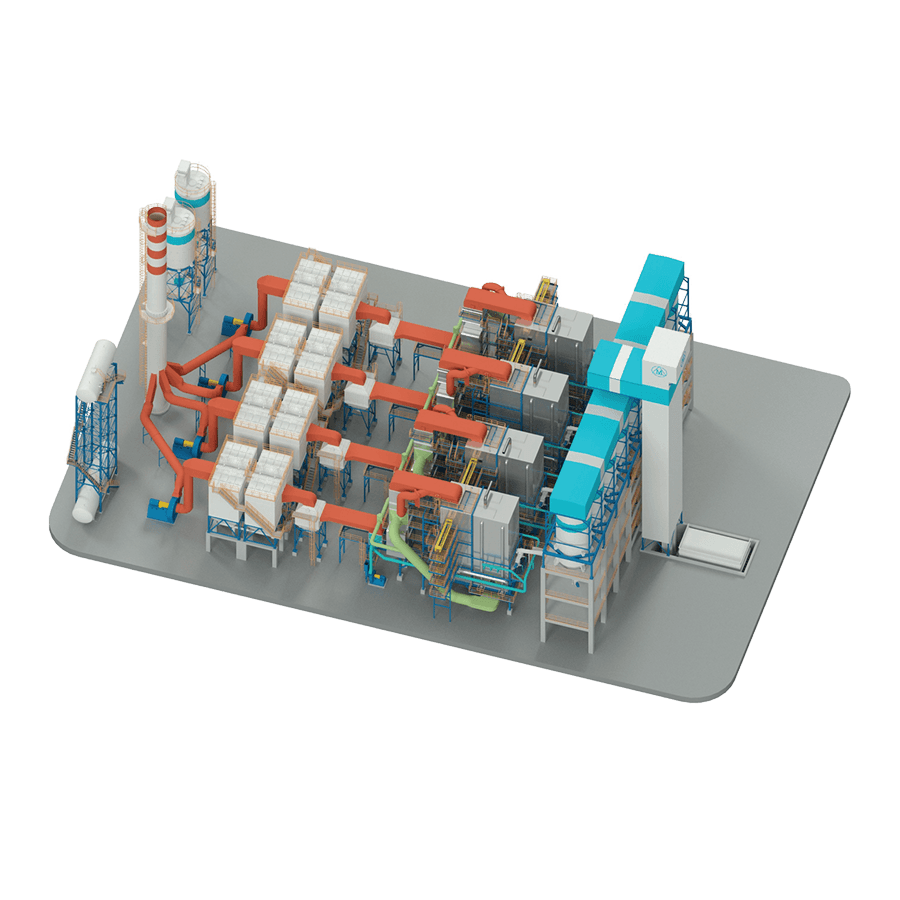
Figure- Silo
ADVANTAGES OF MATERIAL STORAGE SILOS
Material storage silos offer numerous advantages, making them indispensable in modern industrial processes. These advantages include:
- Optimal Space Utilization: Silos are vertically constructed, enabling the utilization of vertical space while minimizing the required ground area. This is especially beneficial in locations with limited space.
- Preservation of Material Quality: Silos are equipped with features that help maintain material quality. Airtight seals, moisture control systems, and temperature regulation mechanisms prevent spoilage, degradation, and contamination.
- Enhanced Inventory Management: With material storage silos, inventory management becomes more accurate and efficient. Sensors and monitoring systems provide real-time data on material levels, enabling timely replenishment and reducing the risk of production interruptions.
- Segregation of Materials: Multiple compartments within a single silo or several interconnected silos can be used to segregate different materials. This prevents cross-contamination and ensures the purity of the stored materials.
- Easy Loadout and Discharge: Silos are designed with efficient discharge mechanisms, such as gravity flow outlets, screw conveyors, and pneumatic systems. These facilitate the controlled and uniform release of materials during the production process.
- Cost Savings: By preventing material wastage, minimizing labor requirements for material handling, and reducing the need for additional storage facilities, material storage silos contribute to significant cost savings over time.
TYPES OF MATERIAL STORAGE SILOS
There are various types of material storage silos, each designed to cater to specific material characteristics and industry requirements:
- Flat Bottom Silos: These are suitable for free-flowing materials like grains and powders. Their flat base allows for easy material discharge.
- Hopper Bottom Silos: Ideal for materials with poor flowability, these silos have a sloped bottom that aids in the complete emptying of stored materials.
- Silo Bags: Used for temporary storage, these flexible, elongated bags are particularly popular in the agricultural sector for storing grains. They are cost-effective and can be easily transported.
- Tower Silos: Commonly used in agriculture, tower silos are tall, vertical structures suitable for storing silage, a fermented feed made from crops like maize and grass.
- Concrete Silos: Known for their durability, these silos are often used to store cement, coal, and other heavy materials.
INNOVATIONS AND FUTURE TRENDS
The field of material storage silos is witnessing ongoing innovations aimed at improving efficiency, sustainability, and automation:
- Smart Monitoring Systems: IoT-based sensors and monitoring systems provide real-time data on material levels, temperature, and humidity. This data aids in predictive maintenance and inventory management.
- Automation and Robotics: Automated loading, unloading, and material handling processes are becoming more prevalent. Robotics and conveyor systems are integrated to streamline operations and reduce human intervention.
- Green Silos: Sustainable materials and construction techniques are being adopted to reduce the environmental impact of silo production. Additionally, renewable energy sources are being integrated to power silo operations.
- Advanced Flow Control: Improved flow control mechanisms, such as vibration-based solutions and air fluidization, are being developed to handle even the most challenging materials.
CONCLUSION
Material storage silos are critical components of industries that deal with bulk materials. Their efficient design, material preservation capabilities, and space-saving nature make them indispensable for modern production processes. With ongoing technological advancements, these structures continue to evolve, enabling industries to achieve higher levels of efficiency, sustainability, and productivity.
(Vn-Industry.)
Home page: https://vn-industry.com/