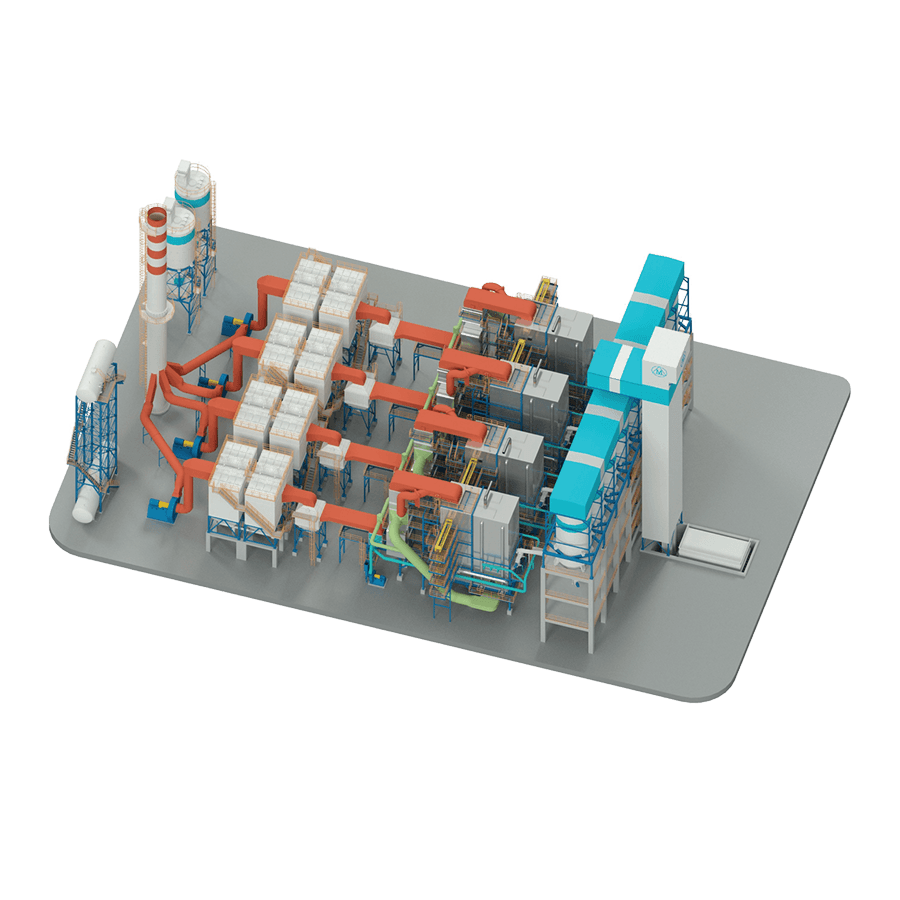
“Electric boiler delivers efficient, emission-free heat for diverse industries, offering low maintenance, compact size, and eco-friendly energy solutions.”
Electric boiler
(Vn-Industry.)
(Vn-Industry.)
(Vn-Industry.)
(Vn-Industry.)
ff;”>The advantages and applications of electric boilers in the industrial sector
INTRODUCTION
In the ever-evolving landscape of industrial technology, electric boilers have emerged as a pivotal innovation in the realm of heating solutions. With a focus on efficiency, sustainability, and operational versatility, electric boilers are swiftly becoming an integral component in various industrial processes. This article explores the diverse applications, benefits, and environmental impacts of electric boilers in the industrial sector.
 (Vn-Industry.)
23/
(Vn-Industry.)
8/Electric-Boiler-Vnindustry-2-3
(Vn-Industry.)
(Vn-Industry.)
x3
(Vn-Industry.)
(Vn-Industry.)
.gif” alt=”” width=”7
(Vn-Industry.)
(Vn-Industry.)
” height=”7
(Vn-Industry.)
(Vn-Industry.)
” />
1- Applications of Electric Boiler
Manufacturing Industry: Electric boilers play a pivotal role in manufacturing processes, providing precise and consistent heat for tasks such as material shaping, molding, and curing. Their ability to deliver uniform heat makes them indispensable in industries where product quality and consistency are paramount.
Food Processing: The food industry requires strict adherence to hygiene standards. Electric boilers find extensive use in food processing, from sterilization and pasteurization to cooking and drying. The absence of combustion byproducts ensures that the quality and taste of food products remain uncompromised.
Textile Production: Textile manufacturing necessitates controlled heat for processes like dyeing and drying. Electric boilers provide the required heat while minimizing the risk of contamination, as they don’t emit harmful gases or pollutants.
Pharmaceutical Sector: Electric boilers contribute to the pharmaceutical industry by facilitating the sterilization of equipment and the production of medications under stringent quality conditions. Their clean operation aligns with the industry’s need for uncontaminated environments.
2-Advantages of Electric Boilers
Energy Efficiency: Electric boilers boast high energy efficiency levels, as they convert nearly all the energy input into heat. This efficiency translates into cost savings and reduced environmental impact.
Low Maintenance: Electric boilers have fewer moving parts compared to traditional boilers, leading to lower maintenance requirements and decreased downtime in industrial processes.
Compact Design: The compact nature of electric boilers makes them suitable for industries with limited space. They can be installed closer to the point of use, reducing heat loss through lengthy distribution systems.
Instantaneous Heating: Electric boilers offer on-demand heating, eliminating the need for preheating and ensuring quick response times to fluctuating heat requirements.
3-Environmental Considerations
Electric boilers contribute significantly to environmental sustainability. Their operation produces zero direct emissions, reducing the carbon footprint of industries. Additionally, as electricity generation progressively shifts toward renewable sources, the use of electric boilers becomes even more environmentally advantageous.
4-Challenges and Future Outlook
While electric boilers offer an array of benefits, challenges such as initial installation costs and the reliance on electricity supply networks remain. However, ongoing technological advancements are expected to address these concerns, making electric boilers more accessible and cost-effective for industries.
CONCLUSION
In an era characterized by the pursuit of eco-consciousness and operational efficiency, electric boilers have carved a niche for themselves in the industrial sector. Their versatility, energy efficiency, and minimal environmental impact position them as a cornerstone of modern industrial heating solutions. As industries continue to prioritize sustainability, electric boilers are poised to play an increasingly vital role in shaping the industrial landscape of tomorrow.
(Vn-Industry.)
Home page: https://vn-industry.com/