“Boilers drive energy industry efficiency, powering electricity generation, heating systems, and renewable integrations while advancing sustainability and emission control“
APPLICATIONS OF BOILERS IN THE ENERGY INDUSTRY
Boilers play a crucial role in the energy industry
INTRODUTION
Boilers play a crucial role in the energy industry. They are integral in power generation, providing steam or hot water for various processes. Their applications range from electricity generation to heating systems, making them indispensable in the modern energy landscape.
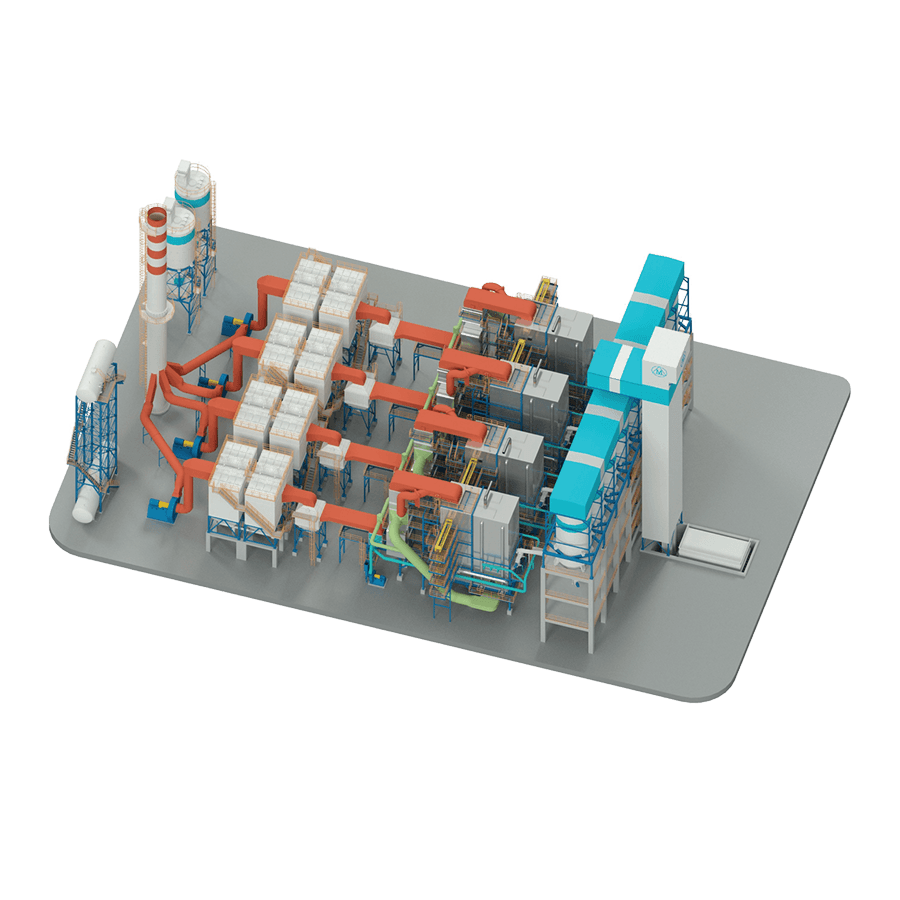
 Figure 1: Biomass Power Station
1. Electricity Generation
Boilers are fundamental in electricity generation. They produce steam by heating water, which then drives turbines. These turbines, connected to generators, produce electricity. This process is common in thermal power plants. Moreover, boilers are used in both coal-fired and natural gas power plants. They ensure a steady supply of steam, which is vital for continuous power generation.
2. Heat and Power Cogeneration
Boilers also support cogeneration systems, producing both heat and power. These systems are highly efficient, reducing energy waste. The steam generated by boilers is used for heating and electricity. This dual-purpose application makes boilers essential in industrial and commercial sectors. Additionally, cogeneration reduces the carbon footprint, contributing to greener energy solutions.

3. Industrial Heating
In industries, boilers are used for process heating. They provide the necessary heat for various manufacturing processes. For instance, in the chemical industry, boilers produce steam for chemical reactions. Similarly, in the food industry, they supply heat for cooking and sterilization. Their ability to generate high-temperature steam makes them ideal for such applications. Furthermore, boilers are used in refineries to produce steam for heating crude oil, facilitating the distillation process.
4. District Heating Systems
Boilers are central to district heating systems. These systems distribute heat to multiple buildings from a central location. The steam or hot water generated by boilers is piped to homes and businesses. This system is highly efficient, especially in urban areas. Moreover, district heating reduces the need for individual heating units, lowering energy consumption. Boilers in these systems operate at high efficiency, providing consistent heat across large areas.
5. Renewable Energy Integration
With the rise of renewable energy, boilers are adapting to new fuels. Biomass boilers, for example, use organic materials like wood chips or agricultural waste. These boilers reduce reliance on fossil fuels, contributing to sustainable energy production. Additionally, boilers are being integrated with solar thermal systems. These systems use solar energy to preheat water, reducing the load on the boiler. This combination increases overall efficiency and lowers greenhouse gas emissions.

6. Waste Heat Recovery
Boilers are also employed in waste heat recovery systems. These systems capture and reuse heat that would otherwise be lost. In industrial settings, waste heat from processes is used to generate steam in a boiler. This steam can then be used for power generation or process heating. Waste heat recovery improves energy efficiency and reduces operational costs. Furthermore, it helps in reducing the environmental impact by minimizing heat loss.
7. Boiler Efficiency and Emission Control
Modern boilers are designed with efficiency and emission control in mind. Advances in technology have led to the development of high-efficiency boilers. These boilers use less fuel to produce the same amount of steam, reducing operational costs. Additionally, they are equipped with emission control systems. These systems limit the release of pollutants, making them more environmentally friendly. For instance, low NOx burners are used to reduce nitrogen oxide emissions. This focus on efficiency and emission control aligns with global efforts to combat climate change.
8. Challenges and Future Outlook
Despite their widespread use, boilers face challenges in the energy industry. The shift towards renewable energy poses a significant challenge. Boilers must adapt to new fuels and technologies to remain relevant. However, advancements in boiler design are addressing these challenges. Future boilers will likely be more versatile and capable of using a range of fuels. They will also be more efficient and have lower emissions. The integration of smart technologies will further enhance their performance. As the energy industry evolves, boilers will continue to play a vital role.
CONCLUSION
Boilers are indispensable in the energy industry. They are used in electricity generation, industrial heating, and district heating systems. Their role in cogeneration and waste heat recovery enhances energy efficiency. Moreover, they are adapting to renewable energy, contributing to a sustainable future. With advancements in technology, boilers will continue to evolve, meeting the demands of a changing energy landscape. Their versatility and efficiency make them essential for modern energy solutions.
(Vn-Industry.)
Home page: https://vn-industry.com/