“Air distribution systems optimize industrial conditions by regulating ventilation, temperature, and air quality, enhancing efficiency, safety, and sustainability.”
Air distribution systems
Enhancing efficiency and comfort
INTRODUCTION
Air distribution systems play a pivotal role in various industries, serving as a critical component in maintaining optimal working conditions. These systems are designed to ensure efficient ventilation, temperature control, and air quality management within industrial spaces. In this article, we will delve into the key aspects of air distribution system(s), their components, and the significant impact they have on industrial operations.

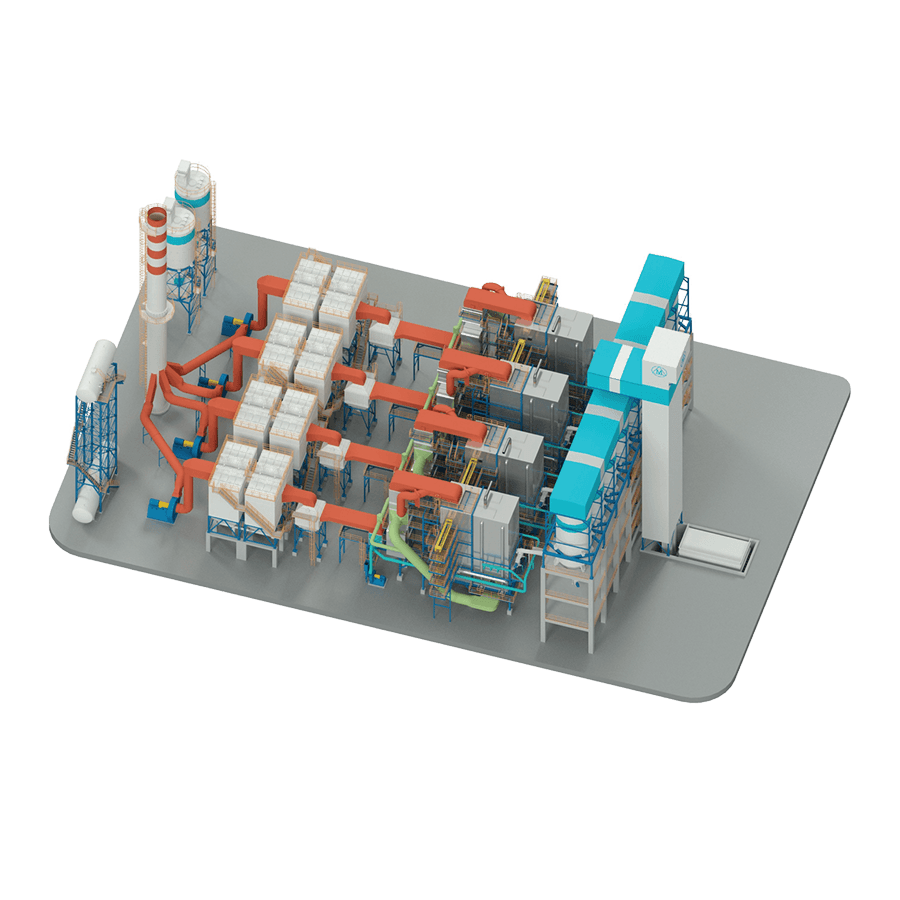
Figure 1 – Air distribution systems

Figure 2 – Air distribution systems
1 – Components of Air Distribution Systems
At the core of air distribution systems are ducts, which serve as conduits for the transport of conditioned air. These ducts are typically made of materials such as galvanized steel or aluminum, ensuring durability and resistance to environmental factors. The system also includes vents, diffusers, and grilles strategically placed to facilitate the controlled release of air into the workspace.
2 – Importance in Industrial Environments
Air distribution systems are indispensable in industrial settings for several reasons. Firstly, they contribute to maintaining consistent temperatures, which is crucial for processes that demand specific thermal conditions. Moreover, these systems aid in controlling humidity levels, preventing moisture-related issues that could compromise both equipment and product quality.
3 – Enhancing Indoor Air Quality
One of the primary functions of air distribution system(s) is to improve indoor air quality. Through effective filtration and circulation, these systems help remove pollutants, dust, and airborne contaminants, creating a healthier and safer working environment for employees. This is particularly crucial in industries where airborne particles could pose health risks or compromise product integrity.
4 – Energy Efficiency and Cost Savings
Efficiency is a key consideration in industrial operations, and air distribution system(s) contribute significantly to energy conservation. Properly designed and maintained systems optimize the use of conditioned air, reducing energy consumption and operational costs. This efficiency is particularly relevant in the context of sustainability goals, as industries strive to minimize their environmental footprint.
5- Adaptability and Zoning
Air distribution systems are designed to be adaptable, allowing for zoning within industrial spaces. Zoning enables the customization of temperature and ventilation levels in different areas, catering to specific operational requirements. This flexibility is essential in industries with diverse processes or varying thermal demands across different facility sections.
6- Technological Advancements
Advancements in technology have led to the development of smart air distribution system(s). These systems utilize sensors and automation to monitor and adjust air quality and temperature in real time. This not only enhances overall efficiency but also provides a responsive solution to dynamic industrial environments.
7- Maintenance and Optimization
Regular maintenance is critical to ensuring the continued effectiveness of air distribution system(s). Routine inspections, cleaning of ducts and filters, and prompt repairs contribute to prolonged equipment life and sustained performance. Moreover, optimization efforts, such as adjusting airflow rates and upgrading components, can further enhance the efficiency of the system.
8- Challenges and Solutions
Despite their many benefits, air distribution system(s) face challenges such as air leakage and uneven airflow. Innovative solutions, including advanced sealing techniques and improved duct design, are addressing these issues. Additionally, ongoing research focuses on developing more energy-efficient components and materials to meet the evolving needs of industrial environments.
CONCLUSION
In conclusion, air distribution systems play a vital role in shaping the working conditions of various industries. From temperature control to indoor air quality management, these systems contribute significantly to operational efficiency and employee well-being. As industries continue to evolve, so too will the technology and design of air distribution system(s), ensuring that they remain a cornerstone in the pursuit of safer, more sustainable, and productive industrial environments.
(Vn-Industry.)
Home page: https://vn-industry.com/