“Industrial boilers face efficiency losses like combustion, heat, and mechanical issues, resolvable with better insulation, combustion control, and heat recovery.”
Losses in industrial boilers
An analysis of energy inefficiencies and solutions
INTRODUCTION
Industrial boilers play a vital role in various sectors, including power generation, manufacturing, and heating applications. These boilers are responsible for converting fuel into steam, which is utilized for various industrial processes. However, despite their crucial role, industrial boilers often suffer from energy losses, resulting in decreased efficiency and increased operating costs. In this essay, we will delve into the different types of losses encountered in industrial boilers, explore their causes, and propose effective solutions to mitigate these losses. Through a comprehensive analysis, we aim to highlight the importance of energy conservation and the potential benefits of implementing energy-efficient practices in industrial boiler operations.

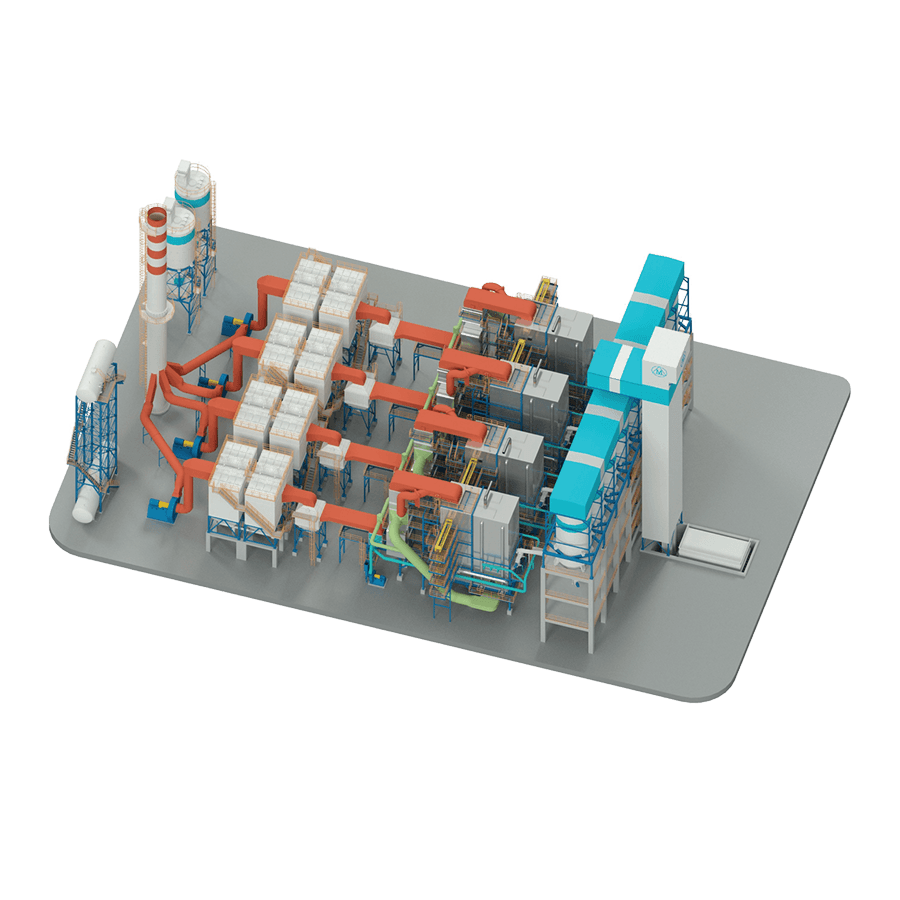
Figure – Losses in industrial boilers
TYPES OF LOSSES IN INDUSTRIAL BOILERS
Combustion Losses:
- Radiation Losses: Radiation losses occur due to heat transfer through the boiler walls and other exposed surfaces.
- Stack Losses: Stack losses occur when hot flue gases are discharged into the atmosphere without recovering the heat they contain.
Heat Losses:
- Flue Gas Losses: Flue gas losses refer to the heat carried away by hot exhaust gases leaving the boiler.
- Blowdown Losses: Blowdown losses occur when a portion of the boiler water is discharged to remove impurities.
Mechanical Losses:
- Boiler Shell Losses: Boiler shell losses refer to heat losses from the outer surface of the boiler.
- Combustion Air Losses: Combustion air losses occur when excessive air is supplied to the combustion process, leading to wasted energy.
CAUSES OF LOSSES IN INDUSTRIAL BOILERS
♦ Inadequate Insulation: Poor insulation results in higher heat losses through the boiler shell and other components.
♦Improper Combustion: Inefficient combustion processes, such as excessive air supply or incomplete fuel burning, contribute to energy losses.
♦ Lack of Heat Recovery: Failure to recover waste heat from flue gases or blowdown water leads to missed opportunities for energy conservation.
SOLUTIONS TO MINIMIZE BOILER LOSSES
♦ Improved Insulation: Enhancing boiler insulation minimizes heat losses, leading to improved efficiency and reduced fuel consumption.
♦ Optimal Combustion Control: Implementing advanced combustion control systems ensures efficient fuel utilization and minimizes excess air supply.
♦Heat Recovery Systems: Integrating heat recovery units, such as economizers and condensing heat exchangers, enables the capture and utilization of waste heat.
CONCLUSION
Efficient operation of industrial boilers is essential for reducing energy losses and enhancing sustainability in various industries. By understanding and addressing the different types of losses, such as combustion losses, heat losses, and mechanical losses, we can significantly improve boiler efficiency. Through improved insulation, optimal combustion control, and the implementation of heat recovery systems, industrial facilities can reduce energy consumption, lower operating costs, and contribute to a greener future. Embracing these solutions and adopting energy-efficient practices will not only benefit individual businesses but also have a positive impact on the environment and global energy conservation efforts.
(Vn-Industry.)
Home page: https://vn-industry.com/